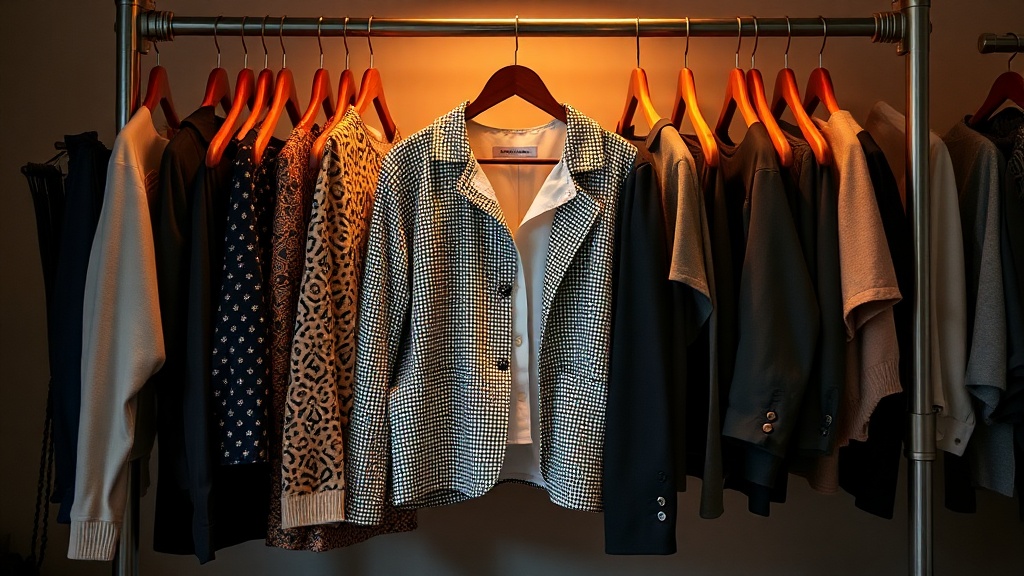
How to Build a Capsule Wardrobe in 30 Days

This guide breaks down a four-week plan to create a working capsule wardrobe—roughly 30-40 pieces that mix and match—so you can get dressed faster, spend less, and stop staring at a closet full of clothes with nothing to wear. The 30-day timeline keeps you from overthinking (a common trap) while giving enough space to shop intentionally and test outfits. By day thirty, you'll have a lean, functional wardrobe that actually reflects how you live.
What Is a Capsule Wardrobe and Why Bother?
A capsule wardrobe is a small, curated collection of clothing where every item works with at least three other pieces. Think quality over quantity. The concept isn't new—Susie Faux, a London boutique owner, coined the term back in the 1970s—but it's gained serious traction as people tire of fast fashion's constant churn.
The real benefit? Decision fatigue drops dramatically. When everything in your closet coordinates, you spend less time agonizing over what to wear. There's also the financial angle: buying fewer, better pieces saves money over time. (And let's be honest—most closets contain items worn once or never.)
Here's the thing: a capsule wardrobe isn't about deprivation. It's about editing. You're not limiting yourself to five black t-shirts and a pair of jeans. You're building a system that works for your actual life—not the fantasy version where you attend galas weekly.
How Many Pieces Should a Capsule Wardrobe Include?
Most functional capsules land between 30 and 40 pieces, including shoes and outerwear but excluding underwear, sleepwear, and workout gear. This number hits a sweet spot—enough variety for different occasions without overwhelming your closet or your brain.
The catch? That count includes everything. Shoes count. Jackets count. That statement coat you wear twice a year counts. So you need to be realistic about what you actually need versus what you want.
A basic breakdown looks like this:
| Category | Number of Pieces | Examples |
|---|---|---|
| Tops | 8-10 | T-shirts, blouses, sweaters |
| Bottoms | 6-8 | Jeans, trousers, skirts |
| Dresses/Jumpsuits | 3-5 | Day dresses, evening options |
| Outerwear | 3-4 | Blazers, coats, jackets |
| Shoes | 5-7 | Sneakers, boots, heels, flats |
Worth noting: these aren't hard rules. Someone working from home needs different pieces than someone in an office five days a week. Adjust accordingly.
Week 1: The Audit and the Plan
Days 1-7 are for assessment, not shopping. Pull everything out of your closet. Yes, everything. Sort into four piles: keep, donate, sell, and "maybe." The "maybe" pile is where things get interesting—those items you haven't worn but can't part with yet.
While you're sorting, track what you actually wear for a week. There's a reason the Vogue closet clean-out guide recommends this—most people wear 20% of their wardrobe 80% of the time. Seeing it on paper changes your perspective.
By day 7, you should know:
- Your color patterns (what you gravitate toward)
- Your lifestyle needs (work, social, travel ratios)
- What's missing (gaps in your current collection)
- What needs replacing (worn-out staples)
Take photos of your "keep" items. You'll reference these during shopping.
What Colors Work Best for a Capsule Wardrobe?
Stick to a base of neutrals with 2-3 accent colors that actually suit you. The most versatile capsules build around navy, black, gray, white, beige, or olive—colors that play well together without much thought.
That said, you don't need to banish color. A capsule with only black and white works on paper but feels dead in practice. The trick is choosing accents deliberately. If you love burgundy, make it one of your three accents and repeat it across multiple pieces—a sweater, a bag, maybe shoes.
Avoid the "orphan" problem—single items in colors that match nothing else. That teal blouse looks great on the rack. In your closet with navy, gray, and camel? It's a headache. Every piece needs a dance partner.
Week 2: Filling the Gaps
Days 8-14 are for strategic shopping. You know what's missing from your audit. Now you buy—not everything at once, but the highest-impact items first.
Start with the foundation pieces. A well-fitting pair of jeans (many swear by Levi's 501 or the stretch version for comfort). A tailored blazer that works with jeans or trousers. A white button-down that isn't see-through. Quality white t-shirts—Everlane's Organic Cotton or Uniqlo's Supima hold up well.
Here's the thing: fit matters more than brand. A $50 blazer that fits perfectly beats a $500 one that doesn't. Budget for tailoring. Taking in a waist or shortening sleeves transforms off-the-rack into custom-looking.
Set a spending limit before you shop. Capsule wardrobes save money long-term, but the initial investment can sting. Spread purchases across the month if needed.
The "One In, One Out" Rule
During week 2, implement this immediately. Buy a new sweater? Something similar leaves. This prevents the slow creep back to closet chaos. It's not about being harsh—it's about maintaining breathing room.
Week 3: Testing and Adjusting
Days 15-21 are for living in your edited closet. Wear only your capsule pieces. Notice what you reach for repeatedly—and what you avoid. There's usually a reason for avoidance: fit, comfort, or it simply doesn't match your real life.
Create outfits. Photograph them. Most people wear the same five combinations on repeat not because they're uncreative, but because they forget what they own. A quick photo album on your phone solves this.
Identify the "holes"—combinations you want to make but can't because you're missing a piece. Maybe you need a belt to tie looks together. Maybe a lightweight cardigan would bridge seasons. Make a list, but don't buy yet.
How Do You Maintain a Capsule Wardrobe Long-Term?
Treat your closet like a living system, not a finished project. Seasonal reviews—spending one Sunday every three months reassessing—keep things functional. Ask: What didn't I wear? What's wearing out? What's my life looking like next season?
The maintenance rhythm looks different for everyone, but most successful capsule practitioners do a version of this:
- Monthly: Quick scan for items needing repair or cleaning
- Quarterly: Seasonal swap and wear-count review
- Annually: Full audit (like week 1) and goal-setting
Worth noting: capsules evolve as life changes. A new job, a move, a body shift—all valid reasons to adjust. The goal isn't rigidity; it's intentionality.
Week 4: Final Edits and Building Rituals
Days 22-30 are for polish. Address that list of holes from week 3—but only buy what solves multiple outfit problems. That silk scarf that works with three different tops? Worth it. The trendy jacket that matches one dress? Skip it.
Establish your maintenance rituals now while the system is fresh. Maybe it's Sunday evening outfit planning. Maybe it's a monthly repair session (sewing on buttons, depilling sweaters). Build habits before the novelty fades.
Consider a seasonal approach if you live somewhere with distinct weather. Some maintain separate capsules for summer and winter. Others layer year-round pieces. Neither is wrong—it's about what functions where you live.
Common Mistakes to Avoid
Don't buy everything new. A capsule built entirely from scratch in one month rarely reflects actual taste. Incorporate pieces you already love. The goal is refinement, not replacement.
Don't ignore your real lifestyle. If you work from home in yoga pants, a wardrobe heavy on cocktail dresses serves no one. Be honest about how you spend your time.
Don't chase perfection. Some days you'll still feel like you have nothing to wear. That's normal. A capsule reduces the frequency—it doesn't eliminate it entirely.
The best capsules feel personal, not prescriptive. Include that weird vintage jacket if you wear it constantly. Skip the "classic white shirt" if you hate how you look in white. Rules are frameworks, not fences.
Thirty days from now, getting dressed will take under five minutes. Your credit card statement will look different. And when someone asks where you got that jacket, you'll actually remember—because you didn't buy seventeen things that month.
Steps
- 1
Audit Your Current Wardrobe and Define Your Style
- 2
Choose a Cohesive Color Palette and Essential Pieces
- 3
Organize, Maintain, and Refine Your Capsule Collection