
How to Build a Minimal Wardrobe That Actually Works (Without Regret)

You don’t need 100 pieces to dress well. You need the right 25–40—and the discipline to ignore everything else.
A minimal wardrobe isn’t about deprivation. It’s about precision. When it’s done right, getting dressed becomes automatic, your outfits look sharper, and you stop wasting money on things you never wear.
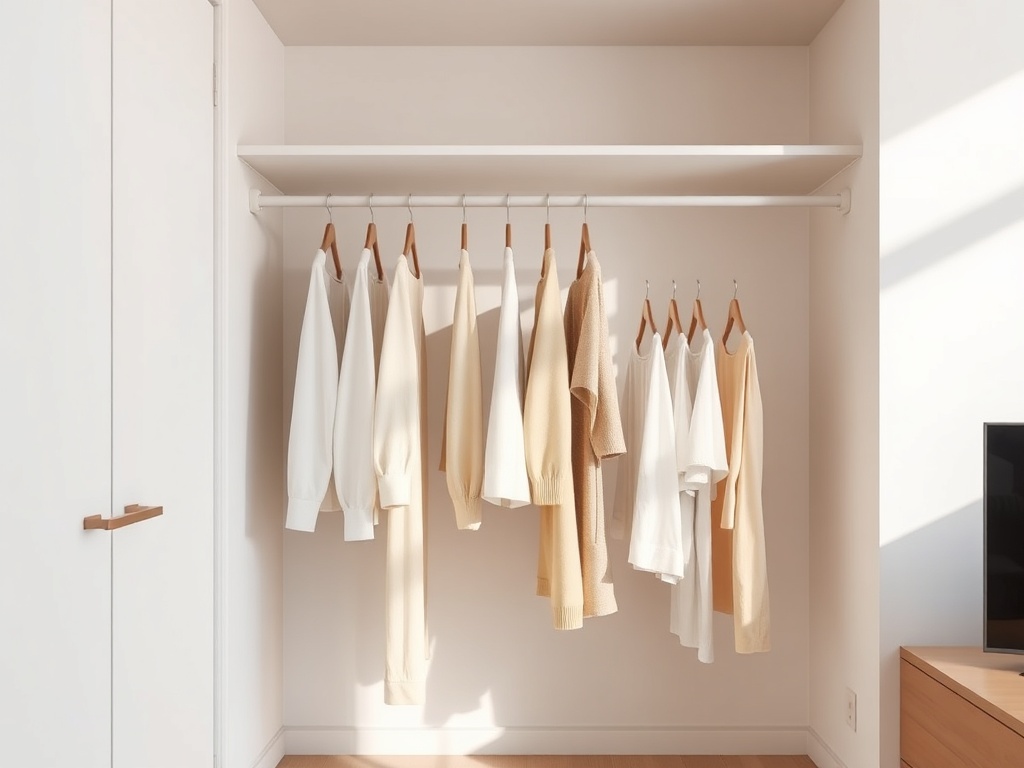
Step 1: Audit What You Actually Wear
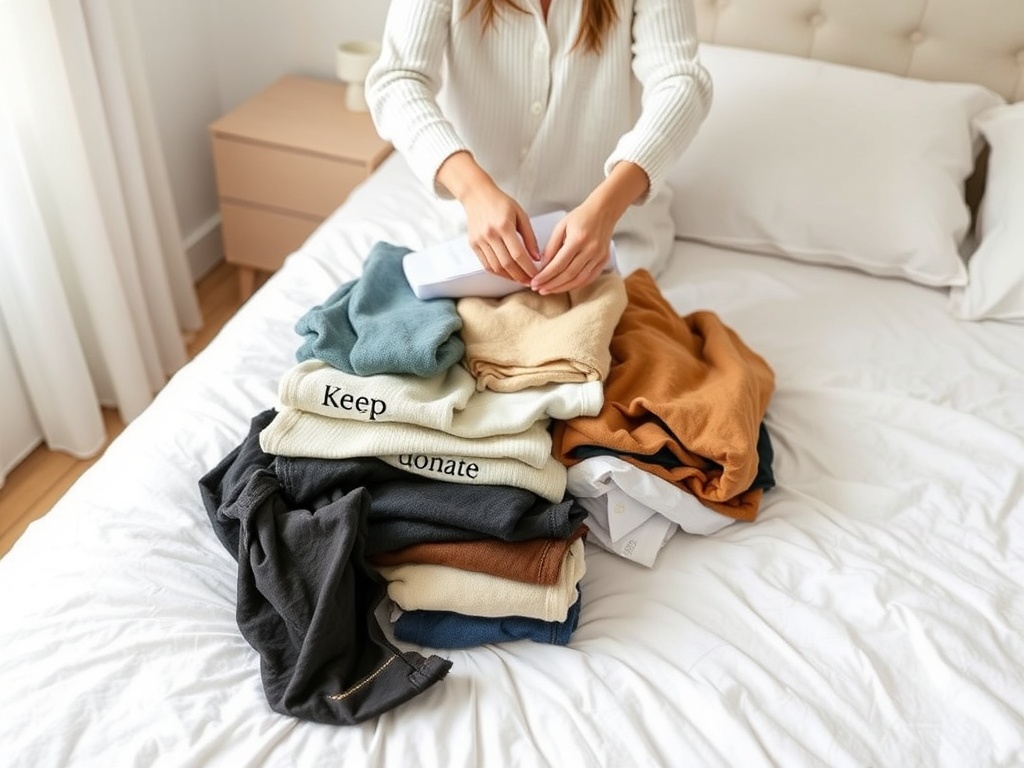
Start with reality, not aspiration. Pull everything out and divide it into three piles: worn weekly, worn occasionally, and never worn. Most people discover that 70% of their outfits come from a small core.
Be ruthless. If something hasn’t been worn in a year and isn’t formalwear, it’s dead weight. Sentimentality doesn’t get you dressed in the morning—function does.
- Keep: items you reach for without thinking
- Maybe: seasonal or situational pieces
- Remove: impulse buys and duplicates
Step 2: Define Your Uniform (Yes, Uniform)
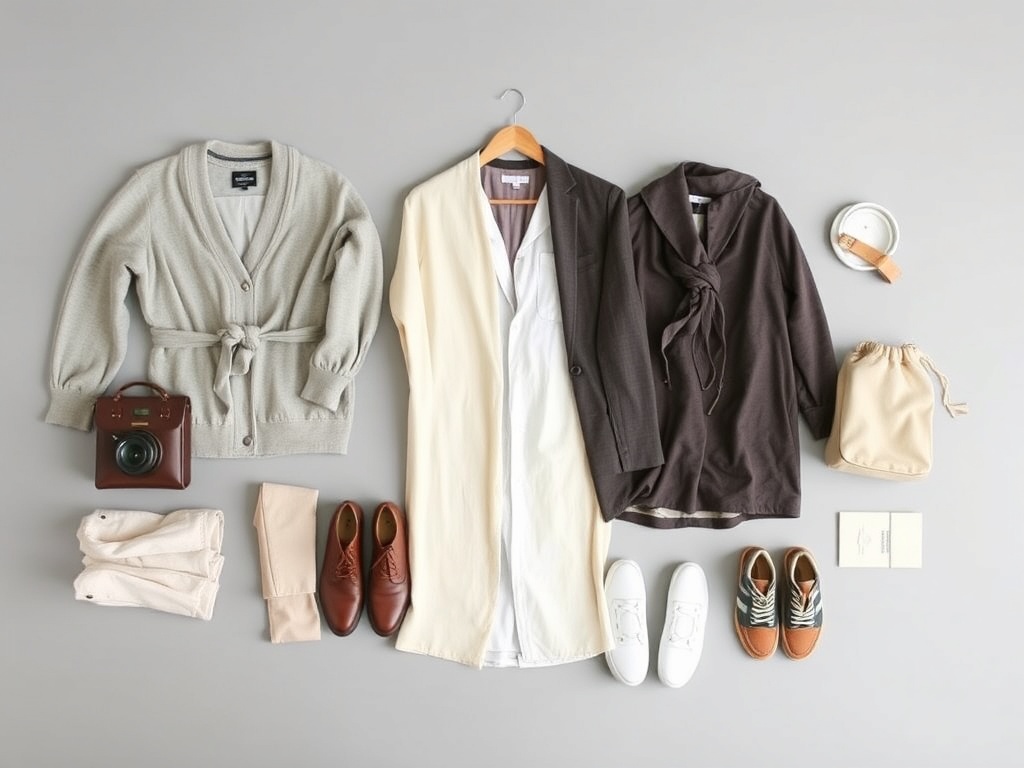
Every effective minimalist wardrobe revolves around a repeatable formula. Not boring—repeatable.
Examples:
- Dark jeans + white tee + structured jacket
- Trousers + knit + leather shoes
- Overshirt + tee + straight-leg pants
Your uniform depends on your climate, lifestyle, and tolerance for attention. The goal is to reduce decisions, not eliminate personality.
Step 3: Choose a Tight Color Palette
If everything matches, everything works. That’s the rule.
Stick to a core palette of 3–5 colors. Neutrals do most of the work: black, white, grey, navy, beige. Add one or two accent tones if you want variation.
This isn’t about being safe—it’s about making your wardrobe modular. Every top should pair with every bottom without effort.

Step 4: Invest in Fewer, Better Pieces
Minimalism falls apart when quality is ignored. Cheap clothes wear out fast, lose shape, and quietly sabotage your look.
Focus on:
- Fabric weight and texture
- Fit consistency across brands
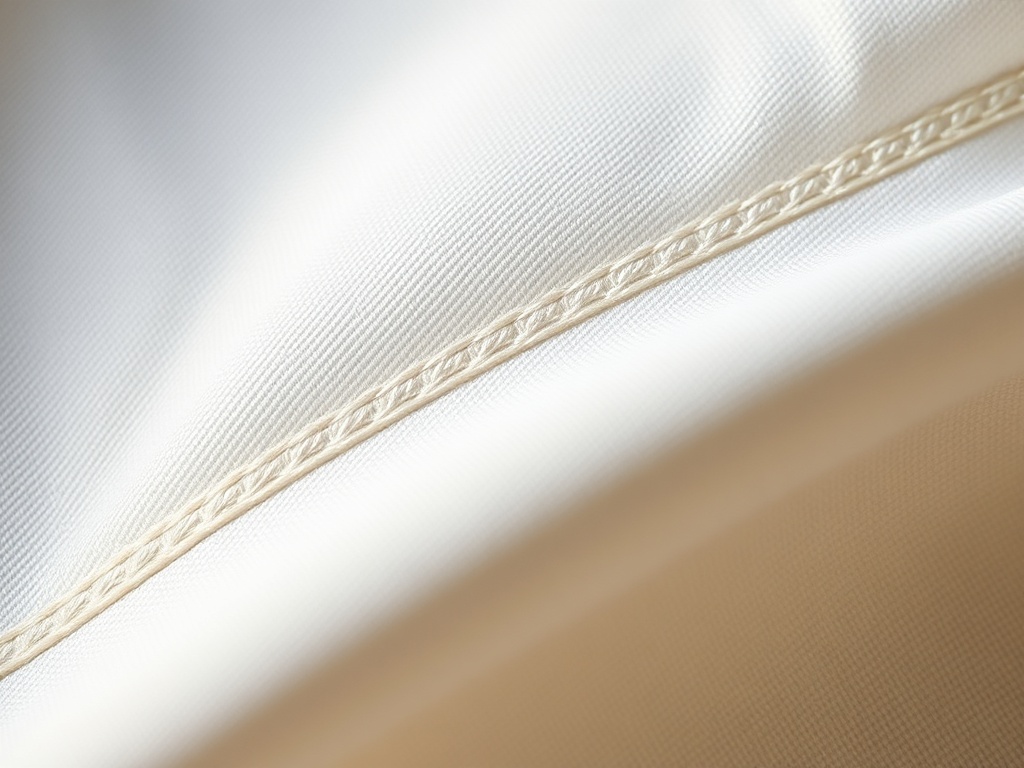
- Construction details (stitching, seams)
Buying fewer items lets you justify spending more per piece. That tradeoff is the entire strategy.
Step 5: Build Around Essentials First
Your wardrobe should be anchored by essentials before anything trend-driven enters the picture.
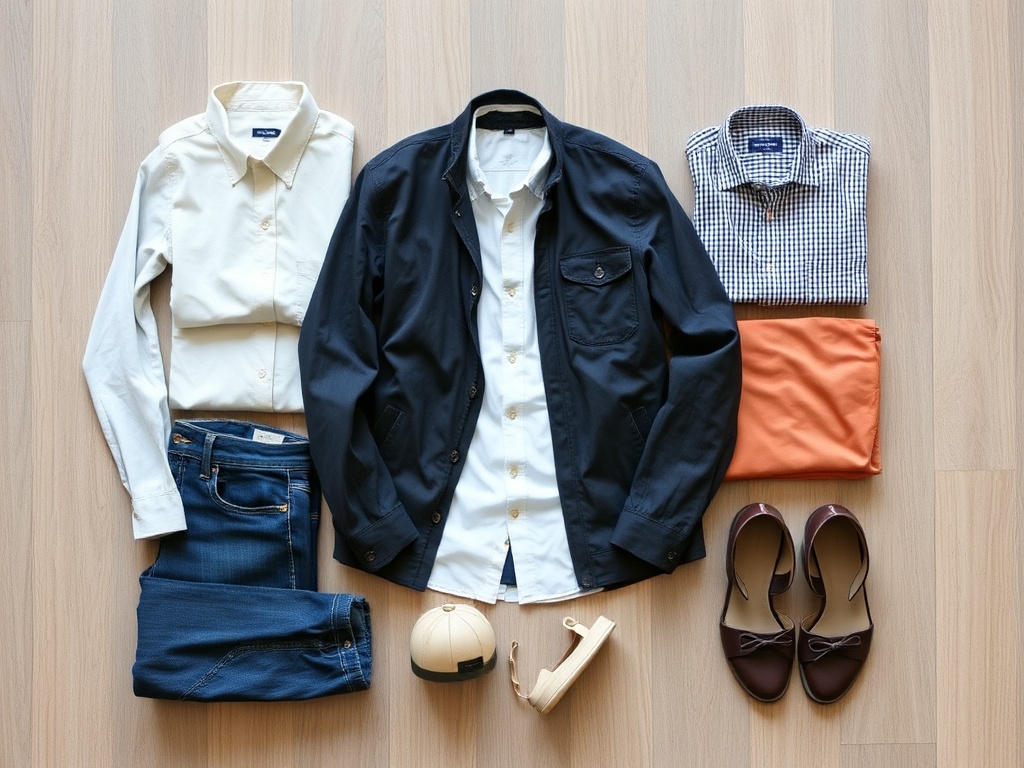
- 2–3 quality t-shirts (white, black, grey)
- 1–2 pairs of well-fitting jeans or trousers
- 1 versatile jacket (denim, blazer, or overshirt)
- 1 knit or sweater
- 2 pairs of shoes (casual + smart)
Everything else is optional. If your essentials aren’t solid, nothing else will save the outfit.
Step 6: Eliminate Redundancy
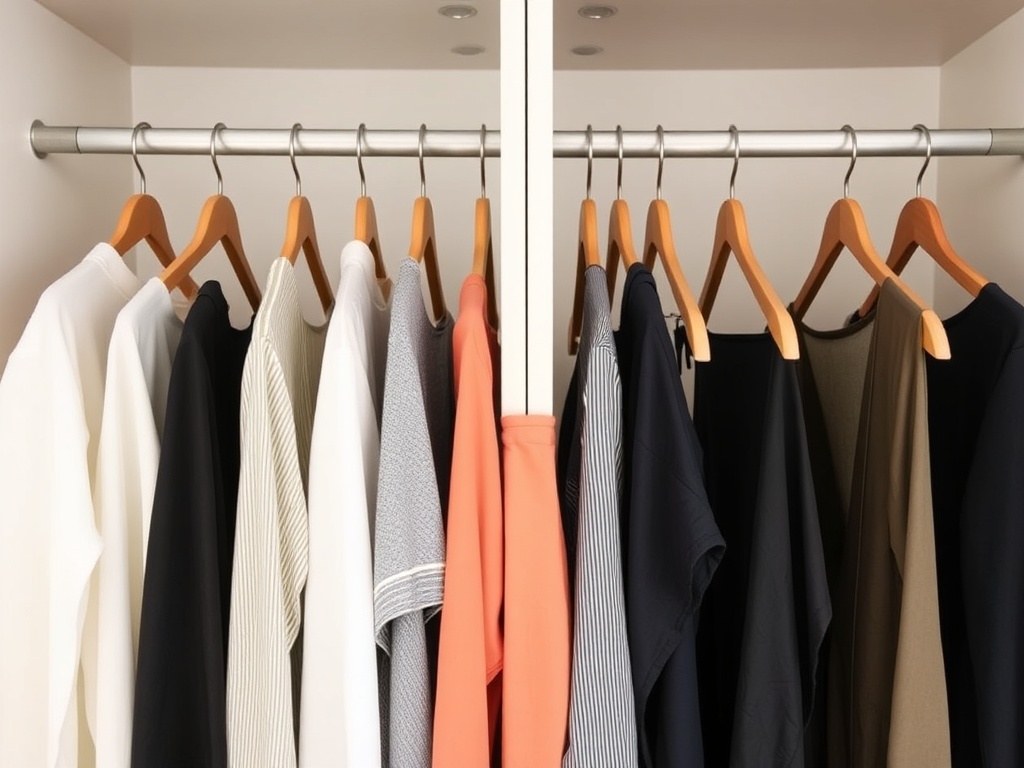
Minimal wardrobes fail when people keep five versions of the same thing “just in case.” You don’t need five black t-shirts—you need the best one.
Audit duplicates and keep only the strongest performer. Same applies to shoes, jackets, and denim.
Redundancy creates noise. Noise creates decision fatigue.
Step 7: Rotate Seasonally, Not Emotionally
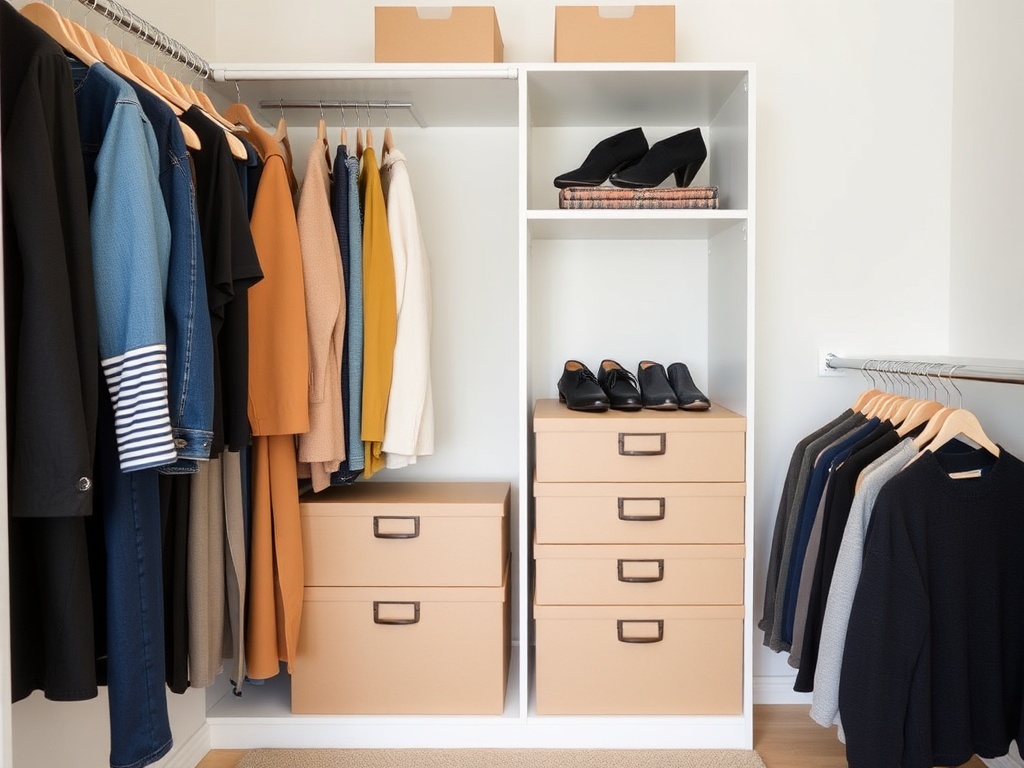
Store off-season items out of sight. This keeps your daily wardrobe tight and relevant.
But don’t rotate based on mood or impulse. The structure matters. Seasonal swaps should feel like a controlled update, not a chaotic reset.
Step 8: Set a Personal Ceiling
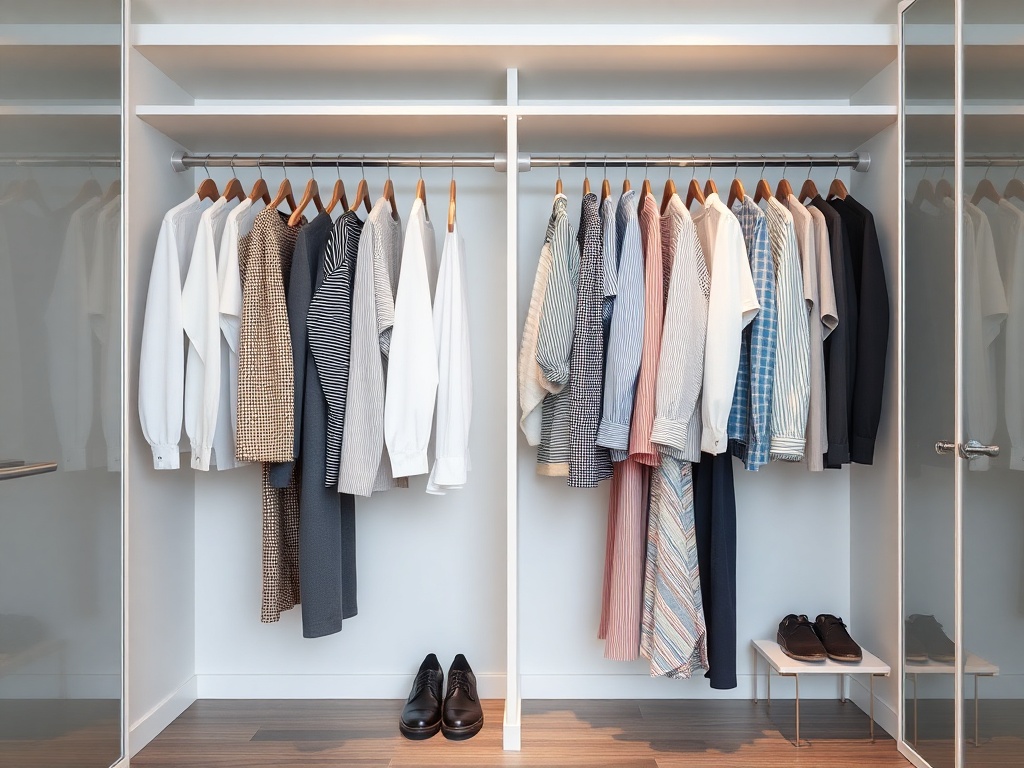
Minimalism needs boundaries. Decide your maximum number of items—30, 40, maybe 50—and treat it as a hard limit.
Every new purchase requires removing something. This forces intentionality and prevents slow accumulation.
Step 9: Ignore Trends (Mostly)
Trends are designed to make you feel outdated. A minimal wardrobe is designed to make that irrelevant.
You can incorporate trends selectively, but they should never dominate your closet. If a piece won’t work next year, it probably doesn’t belong.

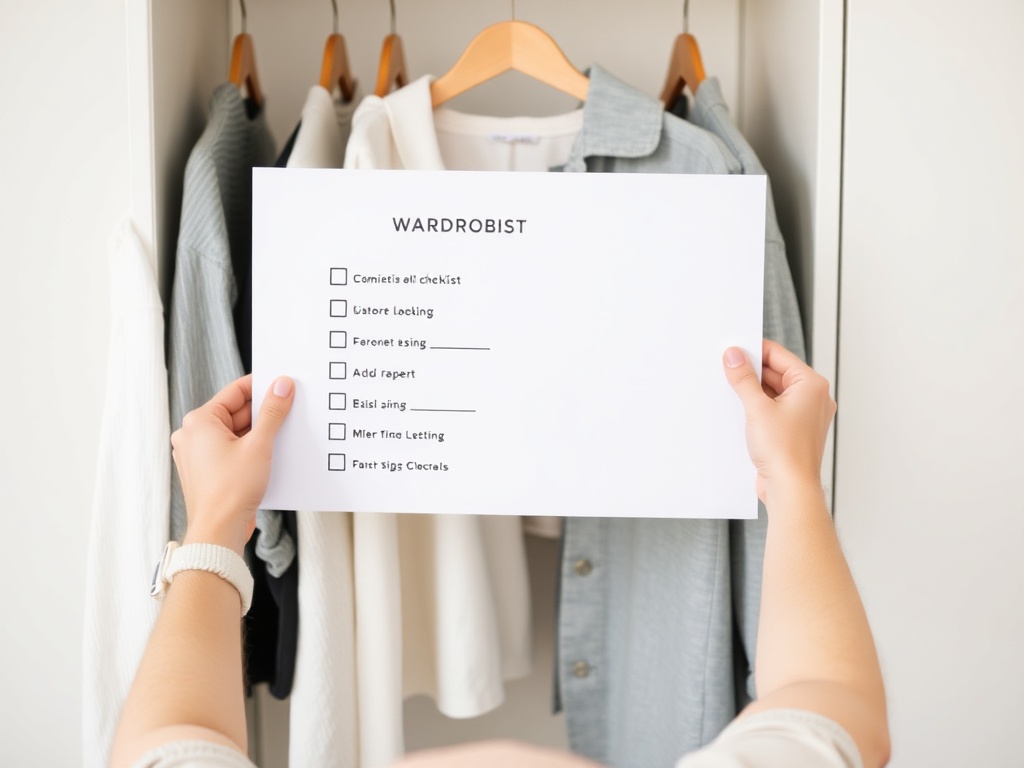
Step 10: Maintain It Like a System
A minimal wardrobe isn’t a one-time project. It’s an ongoing system.
- Review quarterly
- Replace worn-out essentials immediately
- Track what you actually wear
If something stops earning its place, remove it. The system only works if you enforce it.
What You Gain From Going Minimal
You’ll spend less time deciding, less money correcting mistakes, and less energy managing clutter. More importantly, your style becomes consistent—and consistency is what people actually notice.
The goal isn’t to own less. It’s to need less.